
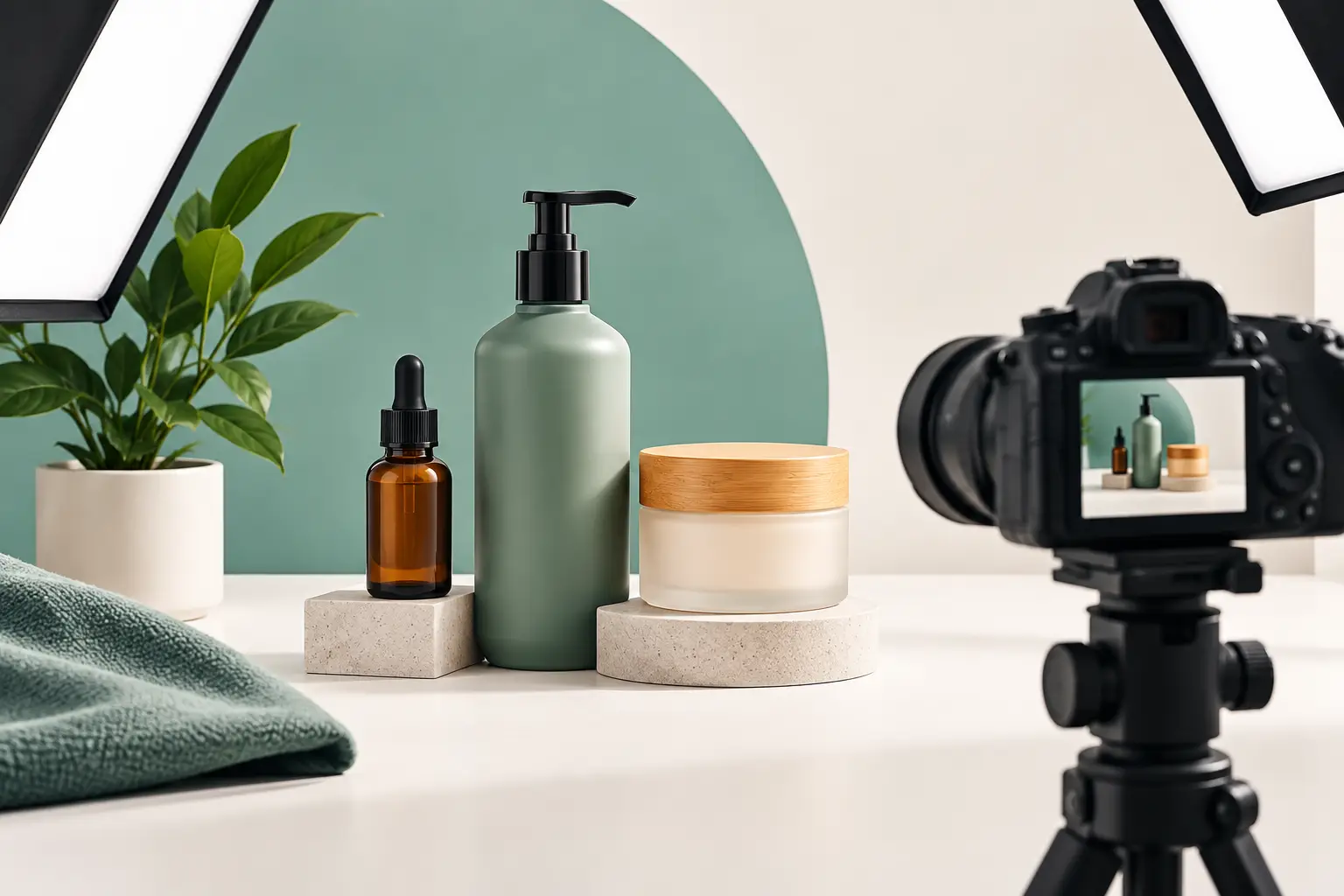
Commercial Product Photography That Sells
A customer may never hold your product before deciding whether it belongs in their cart, on their counter, or in their business. That makes commercial product photography more than a finishing touch for a website or brochure. It is the first proof that your brand pays attention to quality, details, and the experience behind every purchase.
For Connecticut businesses, makers, retailers, restaurants, and service providers, strong product images create a feeling of confidence before a conversation ever begins. They help a handcrafted item feel worth its price, make packaging easier to understand, and give marketing campaigns a consistent, professional look. The right images do not simply show what you sell. They help people picture it in their own lives.
What Commercial Product Photography Should Accomplish
A clean image on a white background can be essential for an online store, but it rarely tells the entire story. Product photography works best when it is planned around where the image will appear and what the viewer needs to know at that moment.
A product page may need clear front, side, back, and detail views. A social campaign may need color, movement, and an aspirational setting. A printed catalog may call for carefully matched lighting and generous negative space for copy. The same product can require several visual approaches, and that is not unnecessary repetition. It is a way to make each customer touchpoint feel considered.
The goal is usually a balance of accuracy and appeal. Customers should see true color, texture, scale, and important features, while still feeling drawn to the product. Over-editing can create disappointment when the item arrives. Under-lighting or cluttered styling can make an excellent product seem less valuable than it is.
Start With the Customer, Not the Camera
The most effective shoots begin with a few practical questions: Who is buying this product? Where will they see it? What concern might stop them from purchasing?
A skincare brand, for example, may need to communicate purity, texture, and a thoughtful daily ritual. A contractor selling premium fixtures may need crisp finish details and images that show proportion in a real space. A local food business may need photographs that make freshness and flavor feel immediate while still representing the portion honestly.
These decisions shape every part of the production, from backgrounds and props to lighting direction and crop sizes. A visual plan also protects your investment. Rather than creating a collection of attractive but disconnected images, you receive assets with a clear purpose across your website, advertising, email campaigns, sales materials, and social channels.
Decide What Needs to Be Seen
Before the session, identify the details a buyer cannot afford to miss. That may include material, labeling, ingredients, craftsmanship, controls, size, packaging, or the way the product is used. Small details often carry the greatest commercial weight, especially when customers are comparing options online.
It also helps to separate must-have images from nice-to-have images. Your essential list might include hero images, alternate angles, close-ups, and groupings. Lifestyle images, seasonal variations, employee interaction, or short video clips may be added based on your campaign and budget. A clear priority list keeps the day focused without limiting creativity.
Studio Images, Lifestyle Images, or Both?
There is no single best style for every business. Studio photography offers control. Consistent lighting, clean backgrounds, and precise color make it ideal for e-commerce, catalogs, marketplaces, and product comparisons. It can also be the most efficient choice when photographing many items in one session.
Lifestyle photography adds context. It shows scale, use, mood, and the customer experience. A candle on a styled table, a beverage being poured, or a product in the hands of a real person can make the image more relatable. This approach takes more planning because location, talent, props, wardrobe, and timing all matter, but it can give a campaign much more emotional range.
For many brands, the strongest answer is both. Use studio images to remove uncertainty, then use lifestyle images to create desire. A customer may rely on the clean product shot to verify the purchase and connect with the lifestyle image because it reflects the kind of moment they want to have.
Lighting Is Where Quality Becomes Visible
Professional lighting is not about making every product look glossy. It is about revealing the product honestly and beautifully. Glass, jewelry, metal, food, fabrics, cosmetics, and reflective packaging all respond differently to light. A single setup that works for a matte bottle may create distracting reflections on a polished surface.
Careful lighting can show texture without making it look harsh, preserve the shape of a dark object against a dark background, and bring out the richness of color without changing it. This technical work is often invisible when it is done well. Viewers simply feel that the product looks credible, refined, and worth closer attention.
At Victor’s Photos & Video, the process is personal as well as professional. We listen to how you want your business represented, offer creative ideas and options, and build the shoot around the images you actually need. State-of-the-art camera equipment matters, but planning, communication, and a careful eye are what turn those tools into useful marketing assets.
Build a Shoot That Works Beyond One Post
A product session should provide more than one strong image for a single launch announcement. Think about the full life of the content. You may need horizontal photos for a website banner, vertical images for stories and short-form video covers, square crops for social feeds, and high-resolution files for print.
This does not mean every image needs to be composed in every format. It means the photographer should understand the intended uses before setting up the shot. Leaving room around a product for text, shooting variations in orientation, and creating a mix of wide and close detail images can save time and prevent awkward crops later.
If your product has a seasonal rhythm, plan for that too. A single production day may allow you to capture evergreen images along with holiday, summer, gift-focused, or promotional variations. The trade-off is more preparation and styling, but it can give your team a useful library instead of a short-lived set of pictures.
Keep Brand Consistency in View
A beautiful image can still feel wrong if it does not belong to your brand. Consider the colors, materials, settings, and level of polish your customers already associate with you. A playful children’s product, a luxury wellness line, and an industrial manufacturer should not be photographed with the same visual language.
Consistency matters most when a business grows. New products, updated packaging, and future campaigns should feel connected rather than improvised. Establishing a repeatable lighting and styling approach makes future content easier to produce while helping customers recognize your work more quickly.
Prepare Products Like They Are Going on Display
Cameras notice what busy eyes overlook. Fingerprints, dust, crooked labels, wrinkled packaging, scratches, and loose threads can all appear more prominent in a final image. Send extra units when possible, particularly for food, cosmetics, apparel, or products with delicate packaging. Having backups keeps the session moving if something is opened, styled, or damaged.
Bring every available color, size, or variation that needs coverage, along with accessories and accurate product information. If a product must be assembled or demonstrated, assign someone who knows it well to be available during the shoot. A few minutes of expert guidance can prevent an image from showing a feature incorrectly.
It is also wise to communicate any nonnegotiables before the session. Maybe a logo must face forward, a particular color must match closely, or a package cannot be opened. Clear direction protects your brand while leaving room for creative problem-solving on set.
Professional Images Create Room to Grow
Good product photography earns its value over time. It can support a new website, a sales presentation, wholesale outreach, advertising, media requests, event displays, and future campaigns. It also gives your team a dependable visual foundation when opportunities arise quickly.
The best images feel intentional without feeling forced. They respect the real product, reflect the care behind your business, and make it easier for customers to say yes. When your visual content tells that story clearly, your product gets the attention it has earned.
