
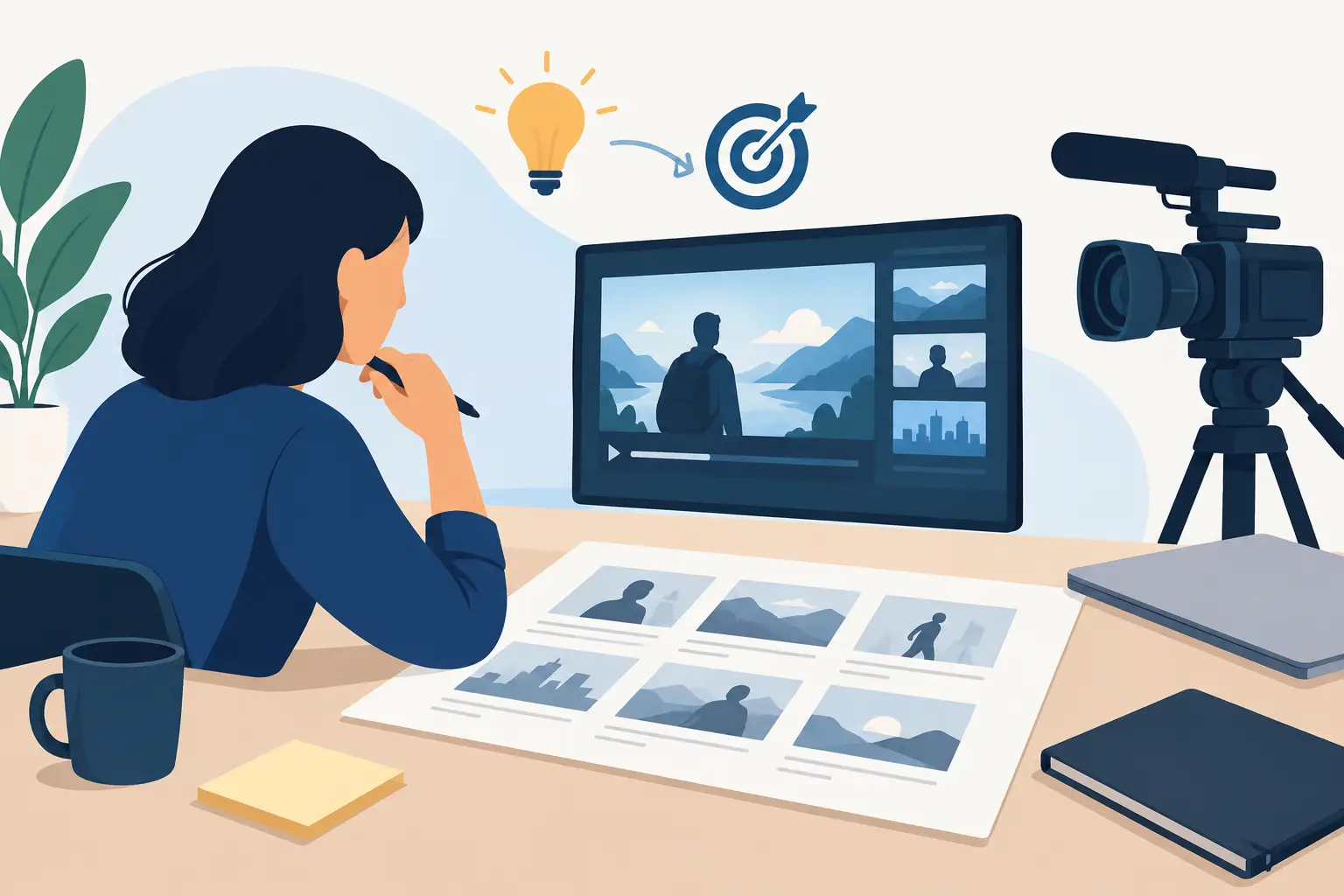
Commercial Video Planning That Starts With Purpose
A viewer may give your business only a few seconds before deciding whether to keep watching. That is why commercial video planning begins long before a camera is unpacked. A strong video is not simply beautiful footage set to music. It is a purposeful story that helps the right audience understand who you are, what you offer, and why they should take the next step.
For Connecticut businesses, organizations, and professionals, the most successful projects balance a clear commercial goal with a human point of view. Whether you are introducing a service, training a team, showing a property, sharing a client story, or creating a sales video, thoughtful preparation protects your budget and gives the finished piece real staying power.
Start Commercial Video Planning With One Clear Goal
Many projects begin with a broad request: “We need a video for our business.” That is a good starting point, but it is not yet a creative direction. Before discussing cameras, drone shots, or filming locations, decide what the video needs to accomplish.
A brand introduction might be designed to build trust and make a first impression. A recruitment video may need to show the culture and people behind an organization. A training video must favor clarity over mood, while a sales piece needs to answer objections and move viewers toward a conversation, appointment, or purchase.
Try to state the purpose in one sentence. For example: “Help homeowners understand what makes our renovation process personal and dependable,” or “Show prospective patients what to expect during their first visit.” That sentence becomes a filter for every decision that follows. If a shot, interview question, or visual idea does not support that purpose, it may not deserve time on the production day.
It also helps to choose a primary audience rather than trying to speak to everyone. The concerns of a new customer are different from those of a long-term client, a job candidate, or an internal employee. When the audience is specific, the language, pace, visuals, and call to action become more natural.
Shape the Story Before You Schedule the Shoot
A commercial video does not need a complicated plot, but it does need a beginning, middle, and end. Viewers should quickly understand the situation, meet the people or solution at the center of the story, and leave knowing what to do next.
Interviews are often the emotional anchor. A business owner can explain why the work matters. A team member can make a service feel approachable. A customer can offer credibility that polished marketing language cannot create on its own. The best interview answers sound conversational, not memorized, so preparation should focus on thoughtful questions rather than a script that has to be recited word for word.
Plan supporting footage around what people will hear. If a chef talks about sourcing ingredients, show the hands, the ingredients, and the energy of the kitchen. If a financial advisor speaks about personal guidance, show a welcoming meeting, not only a person at a desk. This supporting footage, often called B-roll, is what gives an edit movement, context, and visual warmth.
A written outline is usually enough for a straightforward project. More detailed productions may need a script, storyboard, shot list, and a planned voiceover. The right level of detail depends on the project. A documentary-style customer story benefits from room for genuine moments, while a training video often requires precise wording and planned demonstrations.
Set a Scope That Matches the Message
A polished commercial video can be produced at many budget levels, but the scope needs to be honest from the beginning. A single interview with supporting footage has very different needs than a campaign with several locations, actors, aerial footage, animation, multiple deliverables, and a full day of filming.
Discuss the essentials early: how many filming days are needed, where filming will take place, who will appear on camera, whether professional lighting and audio are required, and how many final edits the business expects. It is also wise to decide whether you need a main website video, shorter social clips, a vertical version for mobile viewing, or all three.
Trying to capture everything in one short project can dilute the message. A focused two-minute video that clearly serves one purpose will often work harder than a longer piece crowded with every service, credential, and detail. On the other hand, if your organization has several audiences or departments, building a series may offer better value than forcing every message into one edit.
Choose Locations That Feel Real and Look Intentional
Your location tells viewers something before anyone speaks. A bright, organized office can communicate professionalism. A busy workshop can demonstrate skill and activity. A quiet consultation room can help people feel comfortable about a sensitive service.
Visit or discuss each location in advance whenever possible. Look for natural light, background noise, visual clutter, parking, power access, and enough room for a camera, lighting, and sound equipment. A space that feels perfectly normal in person may look cramped or distracting on camera.
Sound deserves special attention. Air conditioning, traffic, refrigerators, construction, and crowded public areas can interfere with an otherwise excellent interview. Professional microphones and careful monitoring make a major difference, but planning a quiet window for key conversations is even better.
If aerial video would truly add perspective, it should be planned as part of the story rather than treated as an automatic extra. Drone footage can beautifully establish a campus, property, event venue, or surrounding Connecticut landscape. It also requires safe conditions, appropriate airspace awareness, and a vetted operator. The goal is always useful imagery, not footage included just because it is available.
Prepare Your People to Be Comfortable on Camera
The person with the most knowledge is not always the person who feels most at ease on video. That is normal. A relaxed, authentic presence matters more than a flawless performance, and a good production team creates space for people to settle in.
Encourage speakers to wear solid colors that suit the setting and avoid tightly patterned clothing that can distract on camera. Ask them to arrive a little early, silence phones, and avoid scheduling a rushed meeting immediately before filming. Most importantly, remind them that they do not need to get every answer right in one take. Short, natural answers can be edited together into a clear message.
For customer testimonials, avoid giving people a speech to memorize. Instead, ask about the problem they had, what the experience was like, and what changed afterward. Specific memories and honest details are more persuasive than broad praise.
Build Time for the Details That Viewers Notice
Commercial video planning should include a realistic schedule, not just a list of shots. Filming takes time because equipment must be placed, lighting adjusted, microphones checked, and scenes reset. A well-paced production day also leaves room for a spontaneous moment that may become the heart of the video.
Plan for visual details that reinforce your brand: clean work areas, current signage, staff attire, products in good condition, and any materials clients will recognize. If the video shows a service in progress, make sure the process can be filmed safely without disrupting customers or employees.
At Victor’s Photos & Video, the approach is collaborative because the people closest to a business often know the meaningful details others might miss. Bringing those details into the plan helps the finished video feel personal, credible, and true to the organization behind it.
Think About the Edit Before Filming Begins
The edit is where the story finds its rhythm, but a great edit depends on having the right footage and clear expectations. Decide early on the desired length, tone, branding elements, music direction, captions, and final formats. Captions are especially helpful because many viewers watch social content with the sound off, and they improve accessibility for a wider audience.
Music should support the feeling of the story without overwhelming the voices that matter. Graphics should clarify names, services, and calls to action, not crowd the screen. A clean edit with strong sound, purposeful pacing, and a few memorable visuals will generally feel more professional than one packed with transitions and effects.
Leave time for a structured review process. Gather feedback from the people who can make decisions, combine it into clear notes, and focus on whether the video achieves its goal. Endless minor preferences can slow a project, but meaningful feedback about accuracy, clarity, and brand fit makes the final version stronger.
A commercial video becomes valuable when it feels like a true introduction, not an advertisement speaking at people. Give it a clear purpose, make room for real voices, and let the small details show the care behind your work. That is how a camera day becomes a story people remember and trust.
